Creating Safe, Healthy, and Well-Maintained Environments
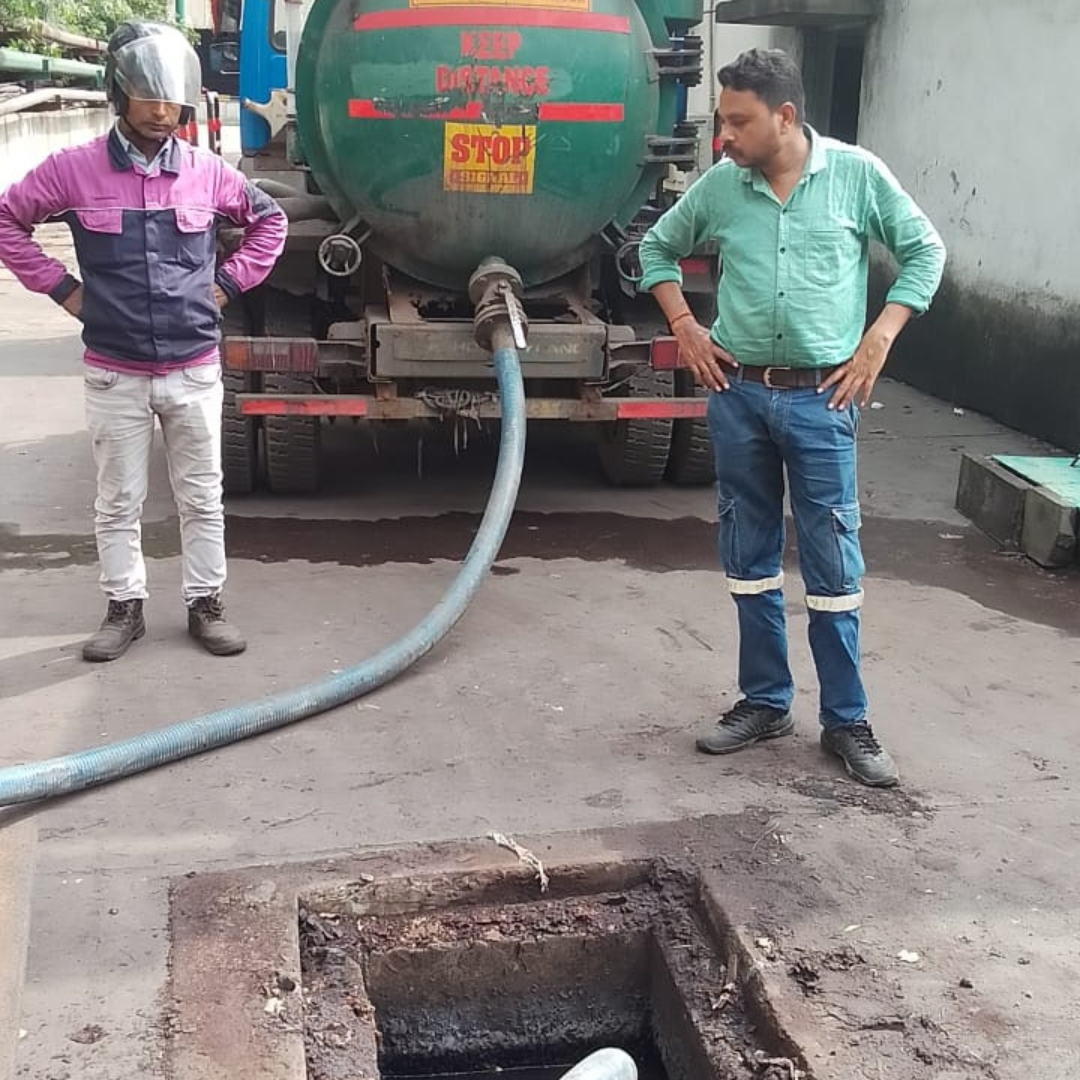
We provide comprehensive housekeeping, sanitation, and hygiene management services to corporations, government institutions, educational establishments, healthcare facilities, defence organizations, and public and private sector enterprises. Backed by a trained workforce and standardized operating procedures, we deliver reliable daily cleaning, maintenance, and facility support services through both manual and mechanized systems.
Our approach goes beyond cleanliness. We are committed to creating safe, healthy, and well-maintained environments that promote public health, user comfort, and operational efficiency. By combining modern cleaning technologies with environmentally responsible practices, we ensure high standards of hygiene while minimizing environmental impact.
Our Clients
We are proud to serve a diverse range of clients across key sectors
CorporationsGovernment InstitutionsEducational EstablishmentsHealthcare FacilitiesDefence OrganizationsPublic & Private Enterprises
Our personnel are trained in specialized sanitation protocols, safe chemical handling, infection prevention measures, waste management, and facility hygiene standards. This enables us to effectively serve diverse environments, including educational institutions, healthcare facilities, government premises, offices, public infrastructure, and other high-footfall or sensitive locations.
Scope of Services
End-to-End Facility Support, Tailored to You
From routine housekeeping and washroom maintenance to mechanized cleaning, quality audits, and supervisory oversight, we provide end-to-end facility support tailored to client requirements. Through continuous monitoring, performance reviews, and close coordination with client teams, we ensure consistent service quality, accountability, and customer satisfaction.

Washroom and Toilet Maintenance
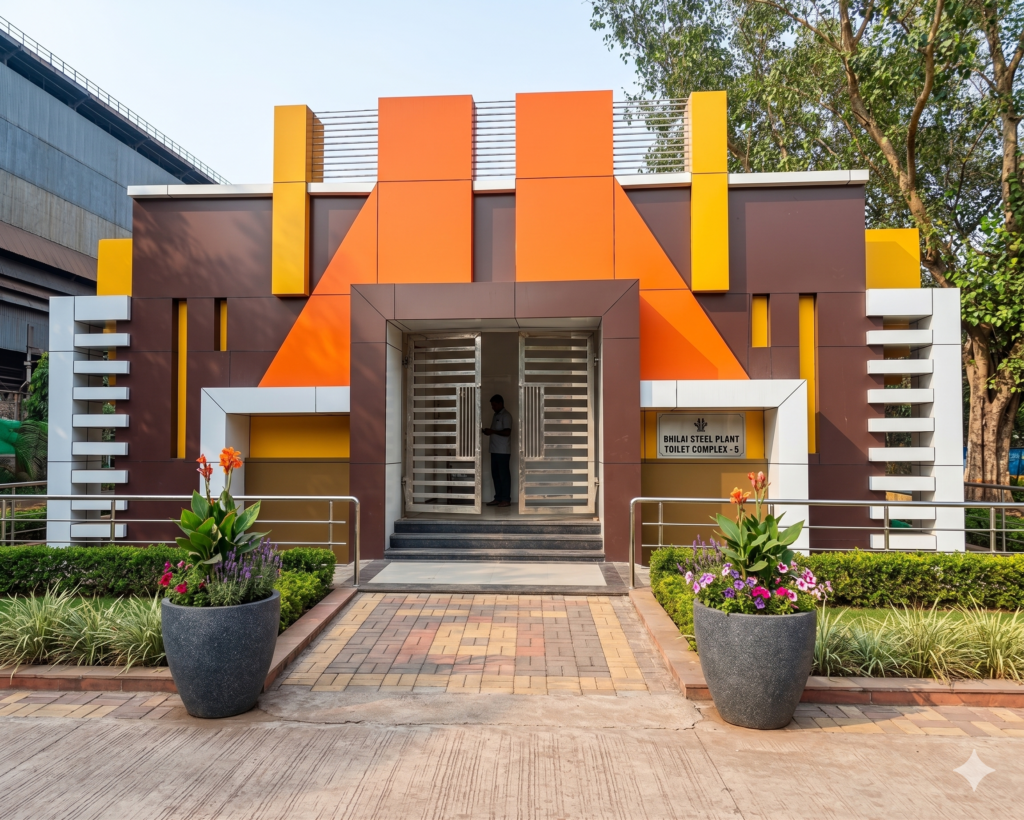
Our washroom maintenance services are designed to ensure hygienic, safe, and user-friendly sanitation facilities through:
- Routine inspection and hygiene monitoring
- Deep cleaning and disinfection of toilets, urinals, washbasins, floors, walls, and fixtures
- Odour control and sanitization
- Consumable replenishment, including soap, tissue paper, toilet rolls, urinal cubes, and air fresheners
- Waste collection and disposal
- Maintenance reporting and quality assurance through regular checklists
Housekeeping Services
We provide comprehensive housekeeping solutions for institutional, commercial, healthcare, educational, and public facilities, including:
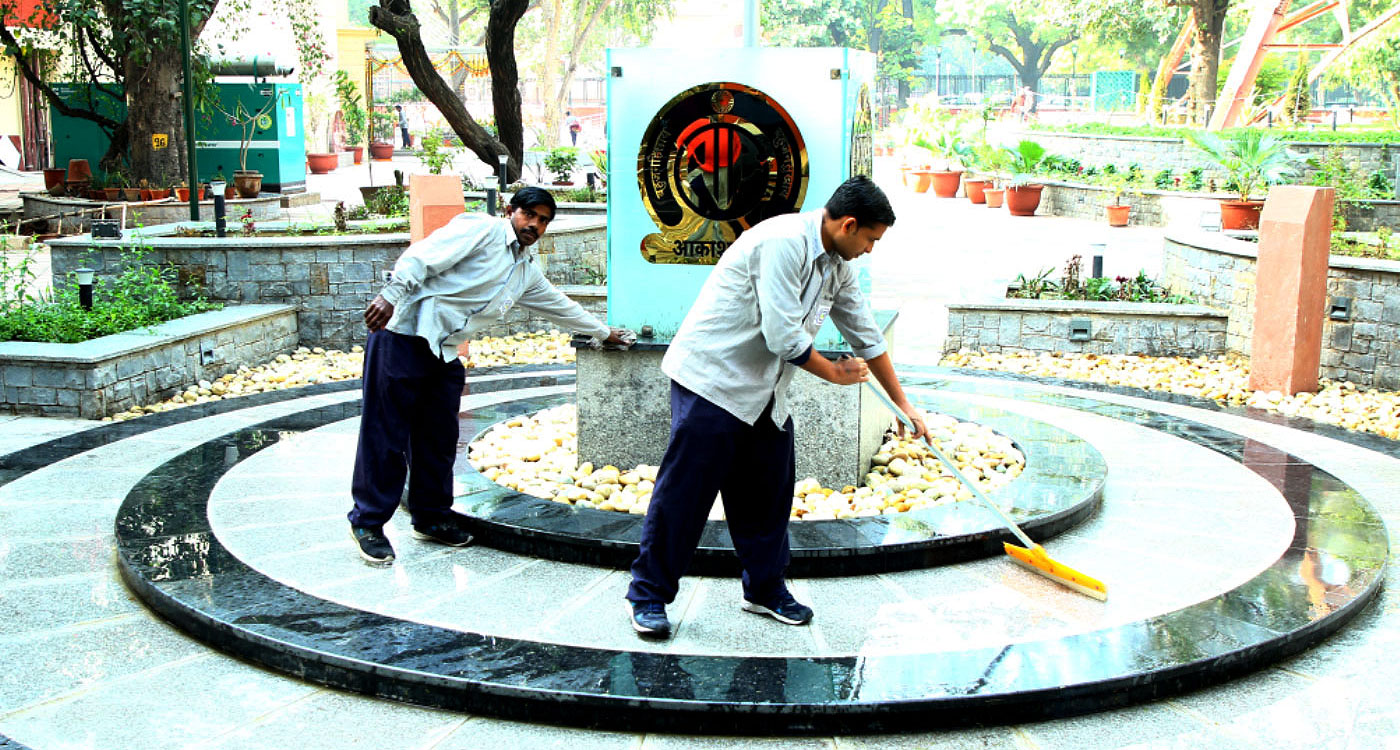
- Daily cleaning and upkeep of floors, furniture, workspaces, and common areas
- Surface disinfection and sanitization
- Glass, window, and façade cleaning
- Carpet and upholstery maintenance
- Staircase, corridor, and high-touch point cleaning
- Waste management and disposal services

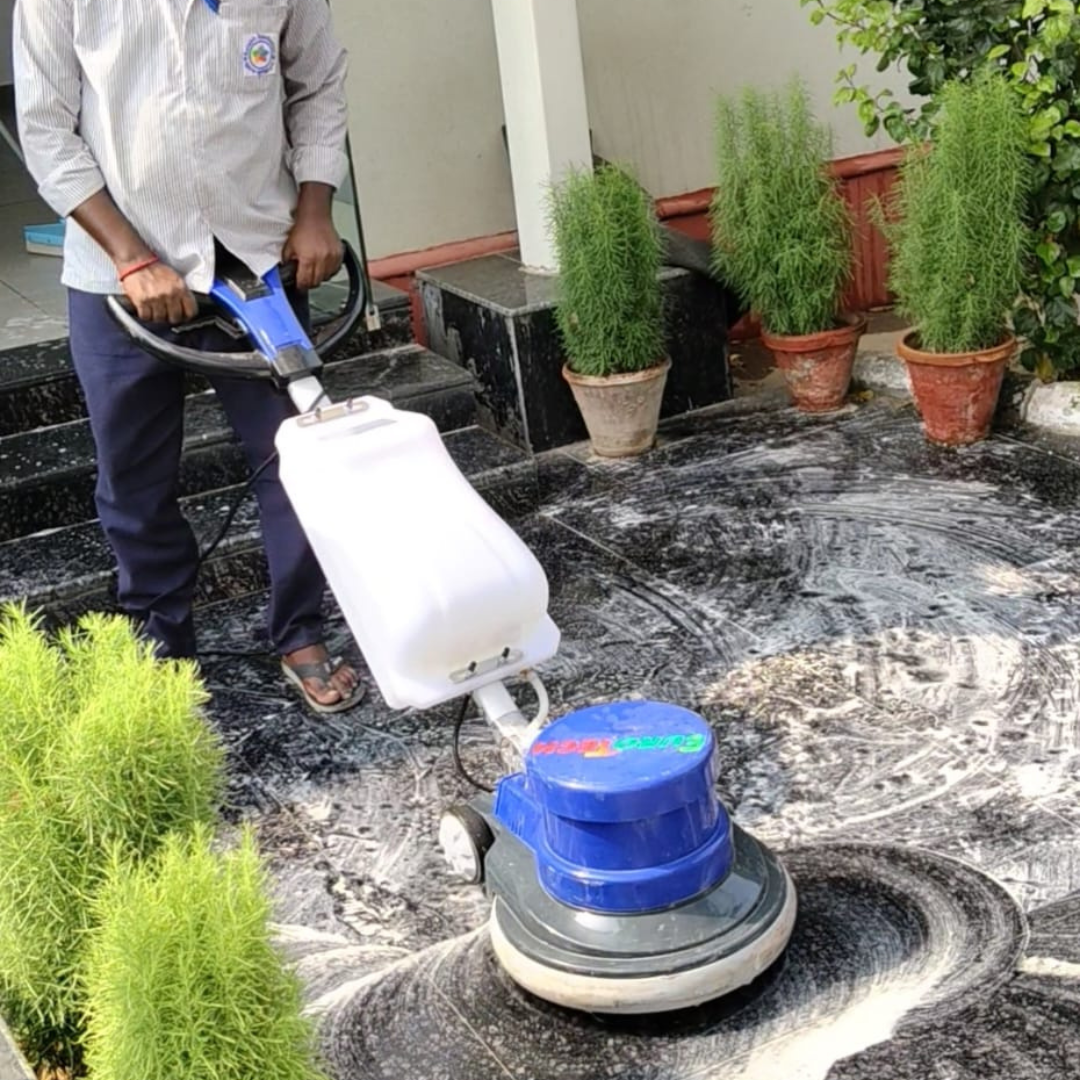
Mechanized Cleaning Solutions
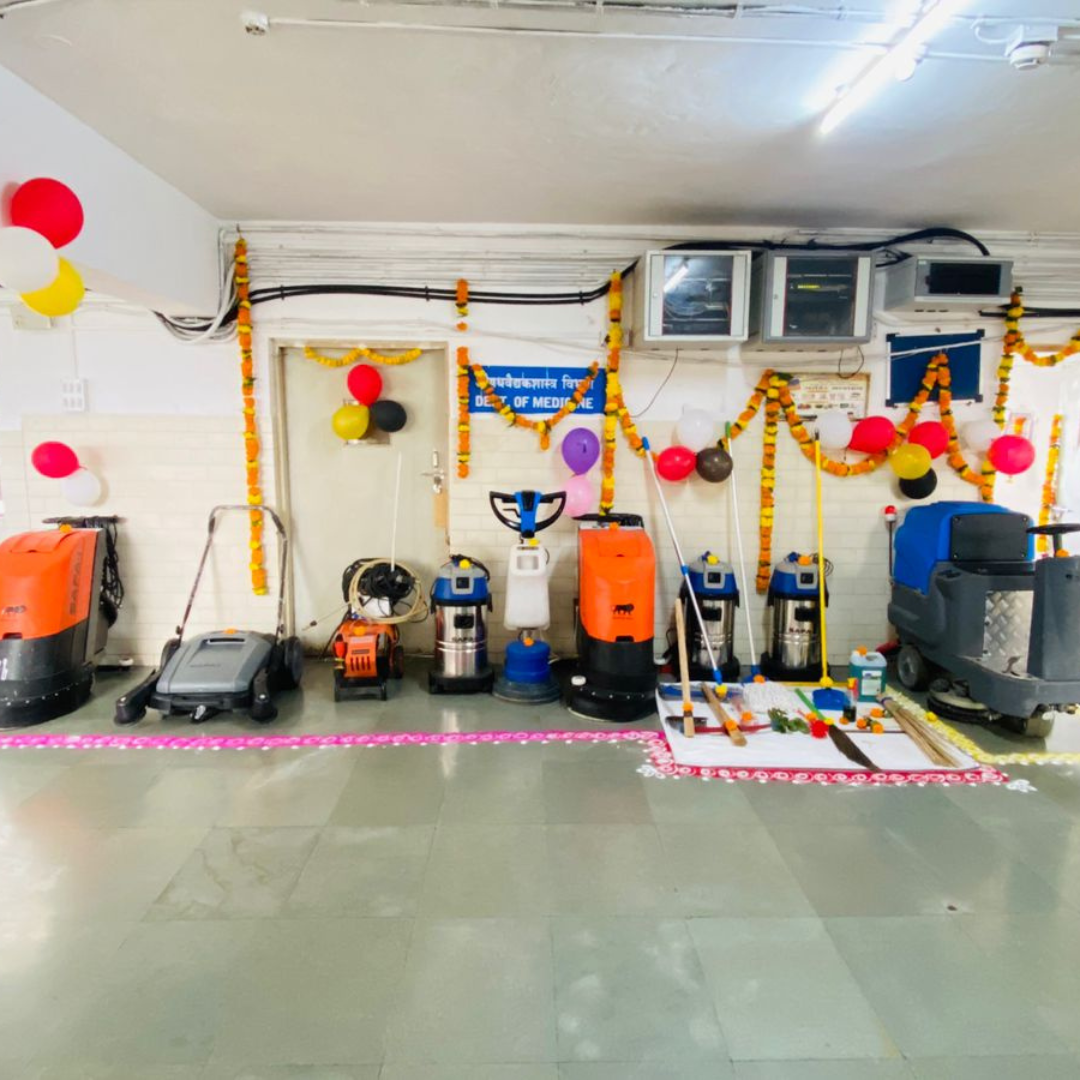
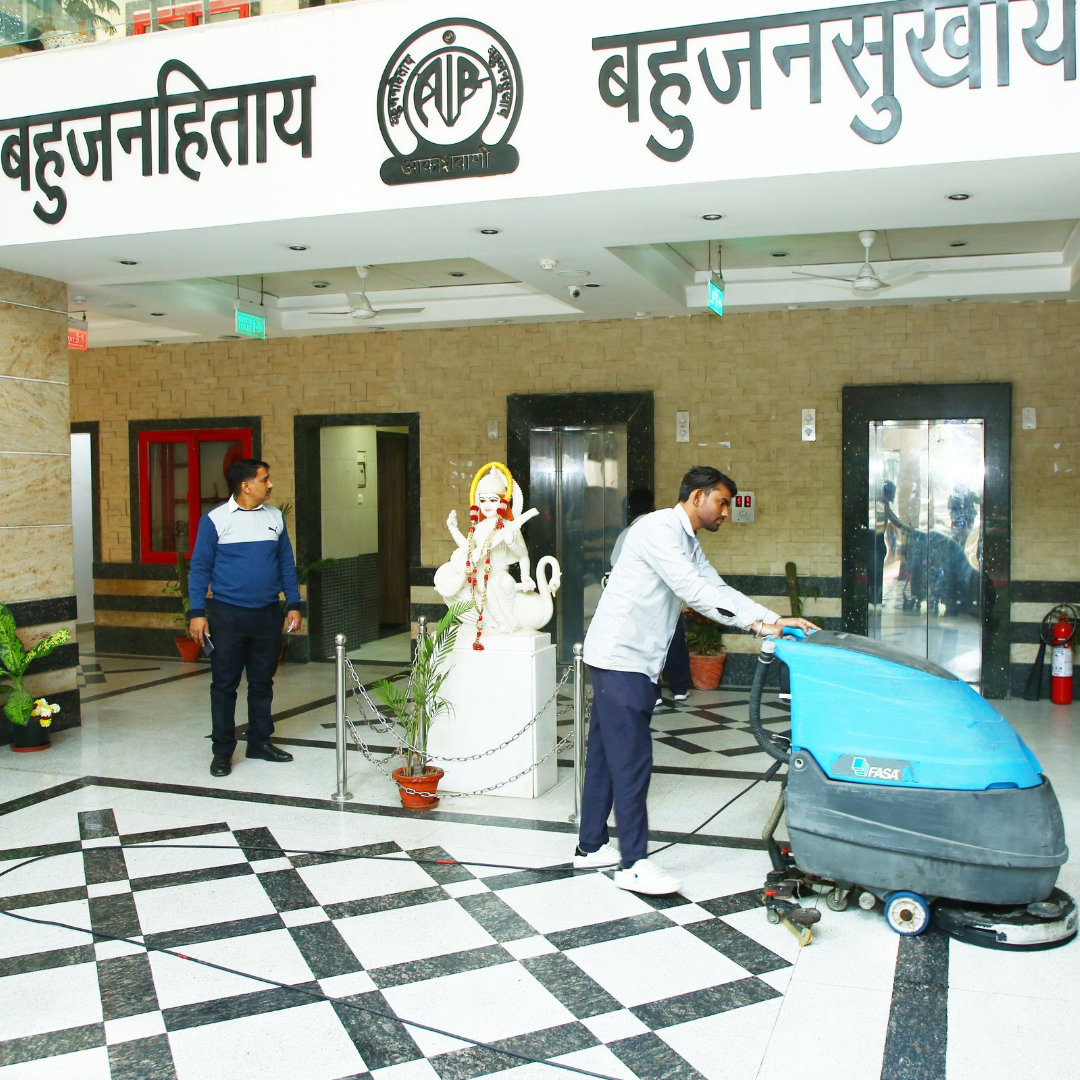
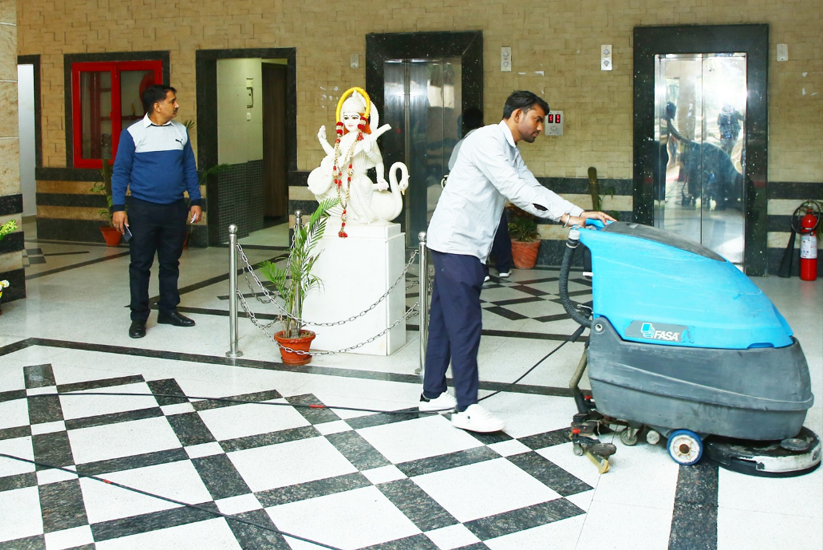
To ensure efficiency and high standards of cleanliness, we deploy modern cleaning equipment, including:
- Floor scrubber driers
- Mini scrubber driers
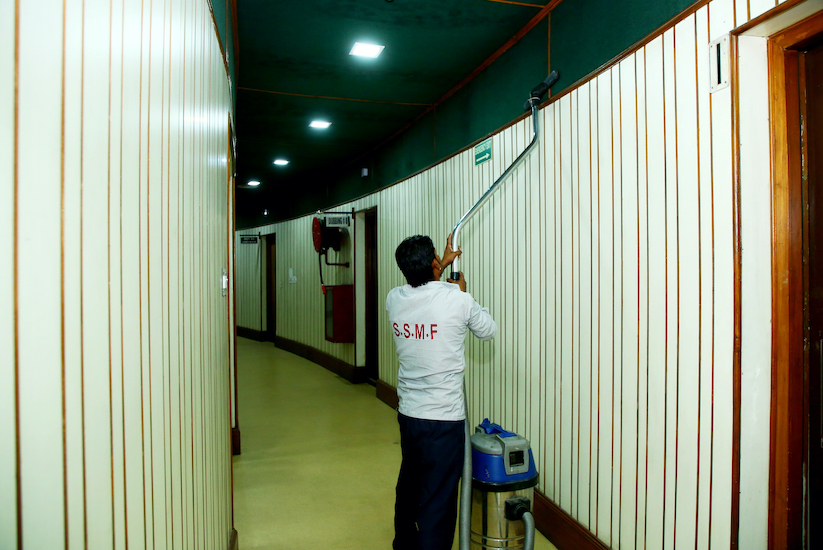
- Wet and dry vacuum cleaners
- High-pressure jet cleaning systems
- Professional glass cleaning equipment
Quality Assurance and Supervision
Our operations are supported by structured quality control systems, including:
- Regular supervisory inspections
- Scheduled cleaning and maintenance rounds
- Service monitoring and reporting
- Compliance with safety and hygiene protocols
- Use of quality-certified cleaning materials and equipment

Commitment to Safety and Hygiene
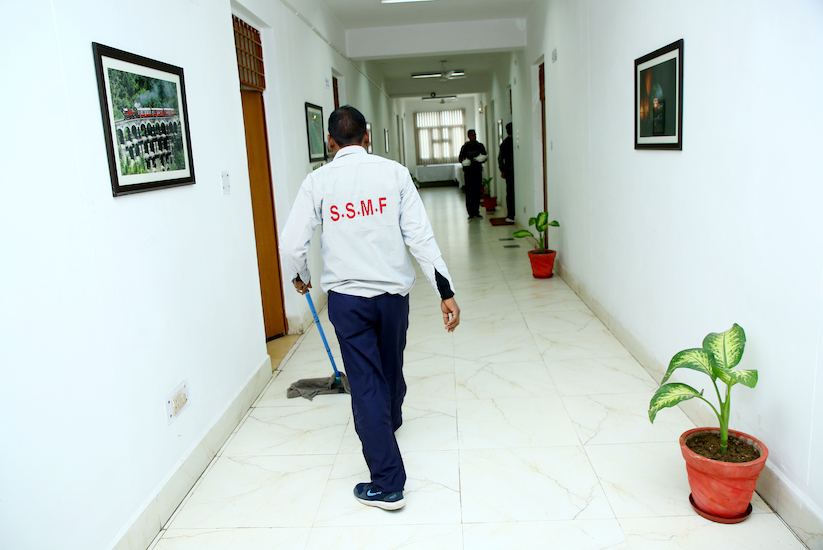
SSMF follows standardized operating procedures and best practices to maintain safe, hygienic, and well-managed facilities. Our trained personnel are equipped to handle diverse environments while ensuring consistency, accountability, and client satisfaction.
Looking for a Reliable Sanitation & Hygiene Partner?
Talk to our team about facility support tailored to your organization.